
In increasingly complex energy systems, the reliable operation of turbines, compressors and other critical machinery has become essential for ensuring stable power generation. These topics were the focus of the expert seminar “Next Gen Reliability: How Modern Technologies Secure the Future of Power Producers”, held on March 12, 2026, and organised by the Society of Thermal Engineers of Serbia at the Faculty of Mechanical Engineering in Belgrade.
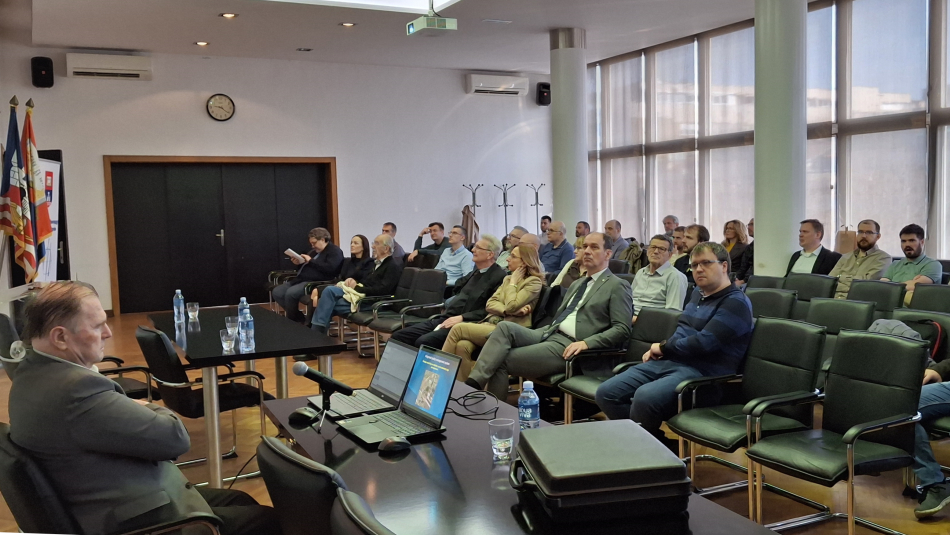
The seminar brought together experts from academia and industry, offering participants valuable insights into cutting-edge technologies designed to enhance the reliability, safety, and efficiency of energy facilities. These solutions were presented by representatives of Turbomehanika Ltd. from Kutina, Croatia.
The Dean of the Faculty of Mechanical Engineering, Prof. Dr Vladimir Popović, welcomed the attendees and emphasised the importance of such events for both knowledge exchange and the promotion of the faculty.
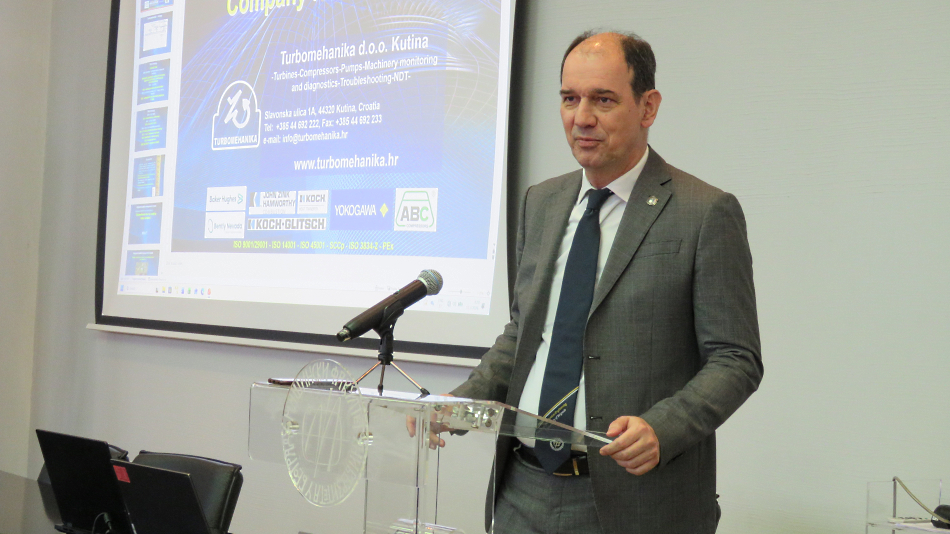
“For the Faculty of Mechanical Engineering, gatherings like this are extremely important as they showcase our work and further contribute to our visibility,” Prof. Popović stated. He also expressed his appreciation to the guests from Croatia, adding: „It is essential to share knowledge, follow emerging technologies, and stay up to date with industry developments. This is inherent to our profession, as there is no progress without continuous learning and improvement. “ He concluded by wishing all participants a successful and productive seminar.
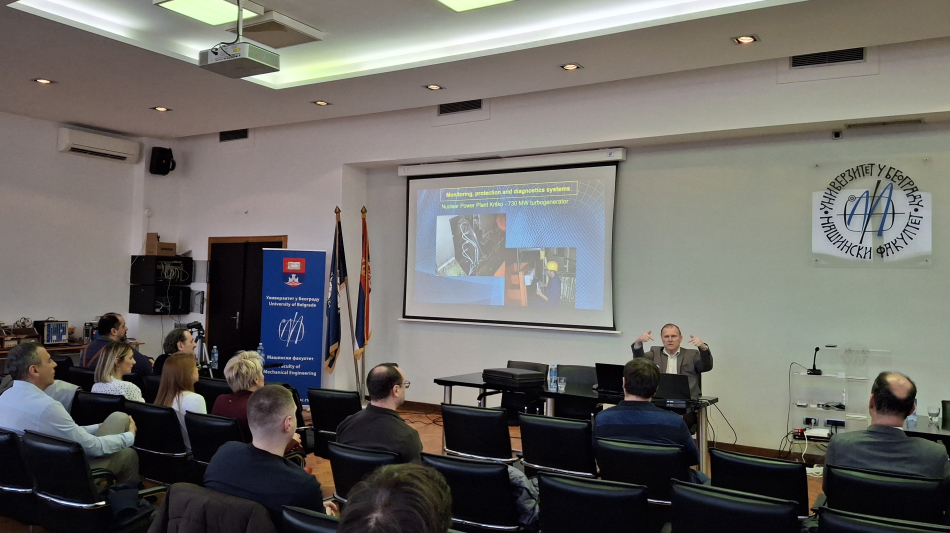
The seminar highlighted the importance of advanced diagnostics, vibration analysis, and predictive maintenance in modern industry. Turbomehanika develops advanced monitoring systems for rotating machinery and collaborates with Bently Nevada, whose solutions are widely used for turbomachinery analysis, including the System 1 platform. Special emphasis was placed on monitoring and diagnostics of rotating equipment, as well as the application of artificial intelligence in condition monitoring. The seminar featured technologies such as the Orbit 60, Orbit 2500, and Ranger Pro wireless sensors, along with the Cordant system, which leverages AI-driven analytics to optimise machine performance in real time.
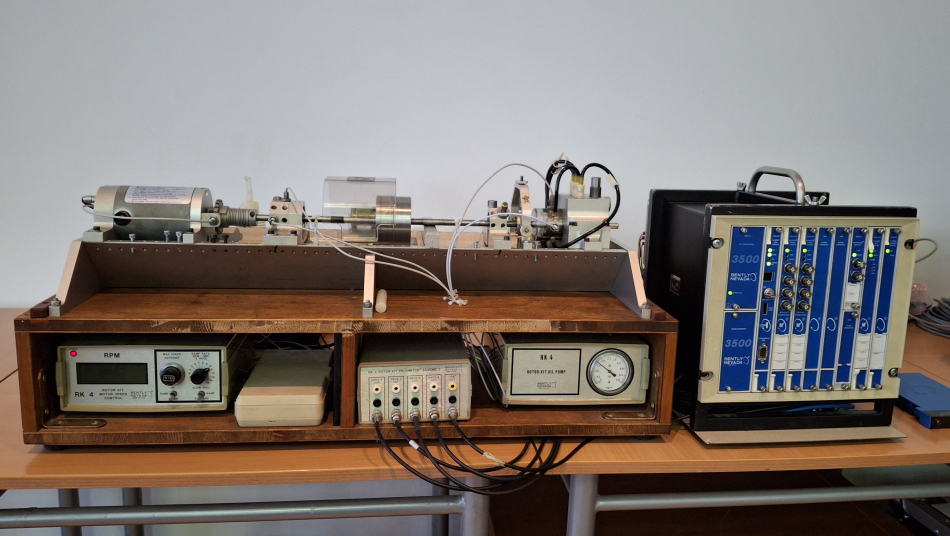
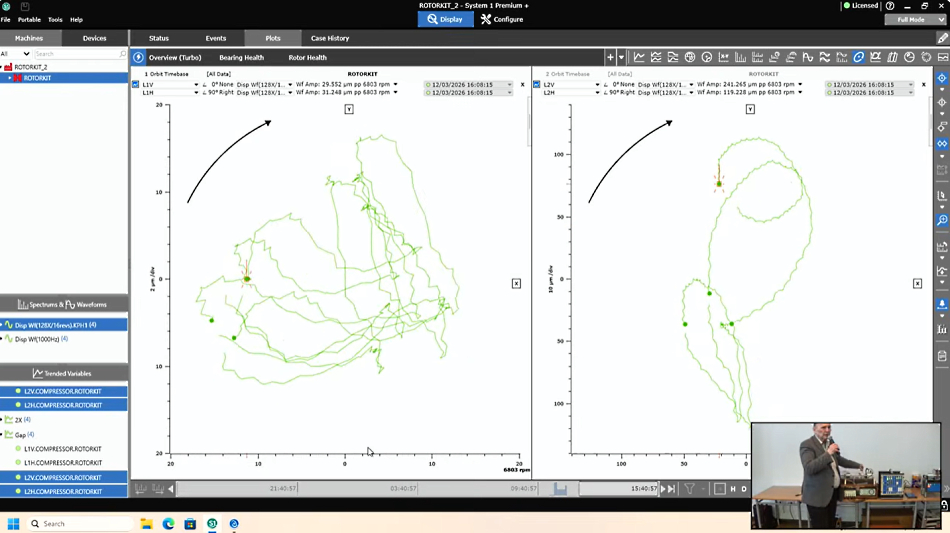
Particular attention was drawn to the System 1 platform, which enables centralized data collection, analysis, and visualization, as well as the correlation of vibration and process parameters, providing deeper insight into overall machine health. The seminar concluded with a live simulation of potential system disturbances using the Rotor Kit dynamic model, demonstrating real-time diagnostics through the System 1 diagnostic platform.